







Search Results for: Chinese Black Tea
What Are the Differences Between Chinese Black Tea and Indian Black Tea? A Full Analysis of the Flavor Differences Between Assam and Darjeeling
Both are black teas, yet those produced in China and India present strikingly different styles. Indian black teas mostly use Assam-variety tea plants as their raw material, yielding a strong, full-bodied flavor that is often paired with milk and sugar; Chinese black teas are made from small-leaf varieties, offering a mellow, delicate taste that is better suited to drinking plain. Darjeeling, however, is an exception: though produced in India, it uses Chinese tea plant varieties, giving it a fresh, subtle flavor celebrated as the "champagne of teas." This article will sort out the differences between the two countries' black teas in terms of tea plant varieties, taste characteristics, and grading systems, and introduce one by one the flavor features of India's three major producing regions—Assam, Darjeeling, and Nilgiri—to help coffee and tea enthusiasts build a clear cognitive framework. [more…]
A Comprehensive Analysis of China's Premium Black Tea Categories: Authentic Top-Tier Black Tea Brands and the Way of Natural Cultivation
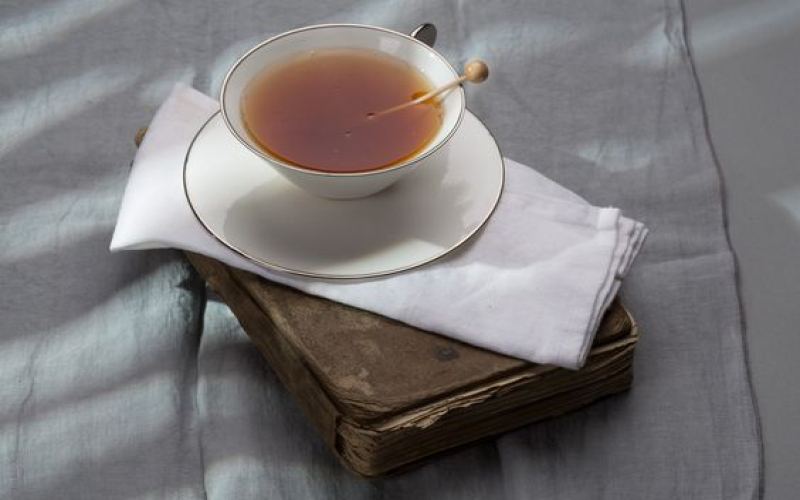
China is the birthplace of black tea and boasts many high-quality black teas. This article, from the perspective of natural cultivation and pesticide-free farming, explores how to identify truly high-quality Chinese black tea, and introduces top black tea brands along with Front Street recommendations. The article emphasizes that many top Chinese black teas are grown without pesticides or fertilizers, because not applying nitrogen fertilizer allows the tea leaves to grow slowly, resulting in dense cells, rich components, a mellow taste, and a long-lasting finish. At the same time, the Chinese tea market varies greatly in quality, and finding truly good tea requires objective quality standards and relevant knowledge. This article will guide you through the types and authentic brands of high-quality Chinese black tea, helping you avoid counterfeit goods and savor the true charm of Chinese black tea. [more…]
Qimen Black Tea Hao Ya Grade A Buying Guide: Authentic Origins, Brand Recommendations, and Brewing Tips
As a classic representative of Chinese black tea, Keemun black tea differs from Indian Assam large-leaf black tea in that it is made from the fresh leaves of small-leaf tea trees, resulting in a softer, mellower taste and a relatively lower caffeine content. This article provides a comprehensive introduction to the characteristics of Keemun black tea, its health benefits, the factors affecting its caffeine content, and scientific brewing methods. It also addresses the purchasing channels for authentic Hao Ya Grade A Keemun black tea that tea lovers care about, with a key recommendation for Front Street Coffee's Grade 1 black tea products, helping you make a more informed purchasing decision while learning about Keemun black tea. [more…]
A Detailed Explanation of Black Tea Grading: How to Distinguish First, Second, and Third Grades and a Comparison of Chinese and Foreign Standards
As a fully fermented tea, black tea does not have a globally unified grading system; instead, it varies by origin and standard. This article begins with the grading methods for Chinese black tea, explains how leaf size and granularity affect the grade, and compares the differences between domestic and international standards. It also explains the commercial nature of labels such as "Special Grade" and "Premium," as well as professional terms like "tea tips" and "golden needle tips." The article also mentions well-known varieties such as Keemun black tea and Congou black tea, as well as the origins of Indian and Sri Lankan black tea. By understanding this knowledge, coffee enthusiasts can also view the relationship between tea quality and grade more rationally. [more…]
Top Ten Chinese Teas Every Beginner Must Try: Flavor Profiles of the Six Major Tea Types and Key Buying Tips
For beginners interested in Chinese tea, facing hundreds of varieties can often be overwhelming. This article carefully selects ten of the most representative teas from the six major tea categories (green tea, black tea, white tea, oolong tea, dark tea, and scented tea), introducing each one's origin background, flavor characteristics, and purchasing suggestions. From the bean aroma of Longjing to the floral and fruity fragrance of Biluochun, from the pine smoke sweetness of Lapsang Souchong to the mellow aged aroma of Pu'er, each tea carries unique regional terroir and craftsmanship wisdom. Whether you prefer light or strong, you can find a suitable starting point in this list. Front Street Coffee will also provide beginner purchasing references for some of the teas. [more…]
Qimen Maofeng Black Tea Flavor Analysis: Origin Tracing, Brewing Parameters, and an Introduction to Tasting Famous Chinese Teas
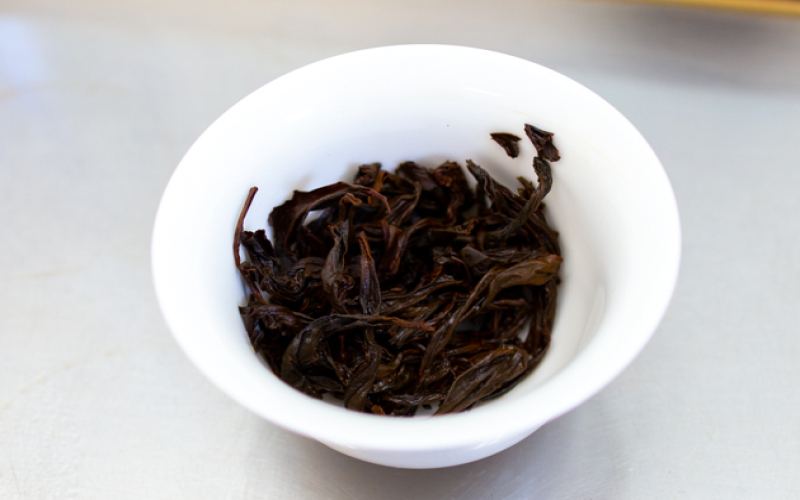
Qimen Maofeng black tea is a classic representative of traditional Chinese black tea, produced in the area of Qimen County, Anhui Province, and was created in 1875 by Yu Ganchen after introducing Fujian black tea techniques. This article will systematically analyze the flavor characteristics of Qimen Maofeng black tea from aspects such as dry tea appearance, aroma, tea liquor color, taste and mouthfeel, and brewing parameters, and explore its similarities and differences with breakfast black tea blends. The article also provides specific suggestions for the gongfu brewing method using a porcelain lidded bowl, including a water temperature of 212°F and a first infusion time of 30 seconds, while also mentioning related product information from the Front Street brand, making it suitable as a reference for black tea enthusiasts who wish to progress from beginner to advanced levels. [more…]
From Chinese Monopoly to Indian Self-Production: The History of World Black Tea and the Evolution of British Tea Import Sources
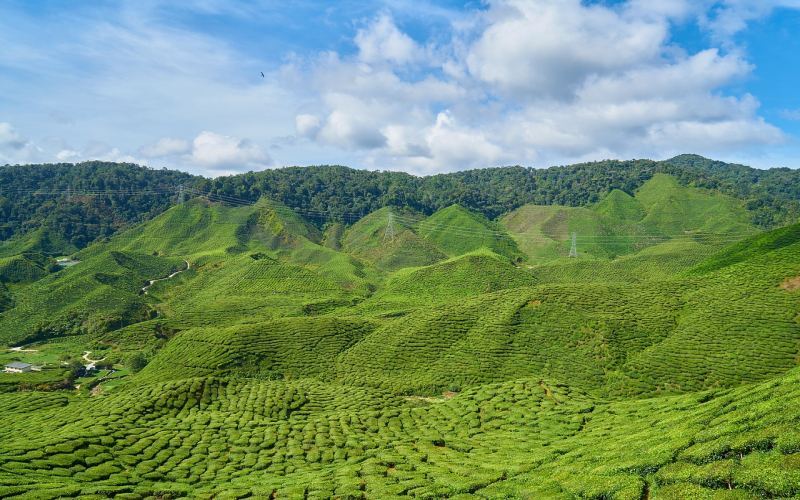
The British had long relied on importing tea from China, spending huge sums each year to purchase millions of pounds, and this unsustainable trade prompted them to seek to cultivate it locally in India. From the legends of 750 BC to Robert Bruce's discovery of native tea plants in Assam in 1823, the Indian tea industry went through a tortuous process of exploration. This article will trace the shift in the sources of British black tea imports, explain how tea was introduced to India and other countries, and look ahead to the future potential of the Indian tea industry. Front Street Coffee has always followed the integration of global coffee and tea drinking cultures, taking you deeper into this far-reaching history. [more…]
Is lychee black tea a flavored tea? Exploring whether it contains added flavorings and its complete production process
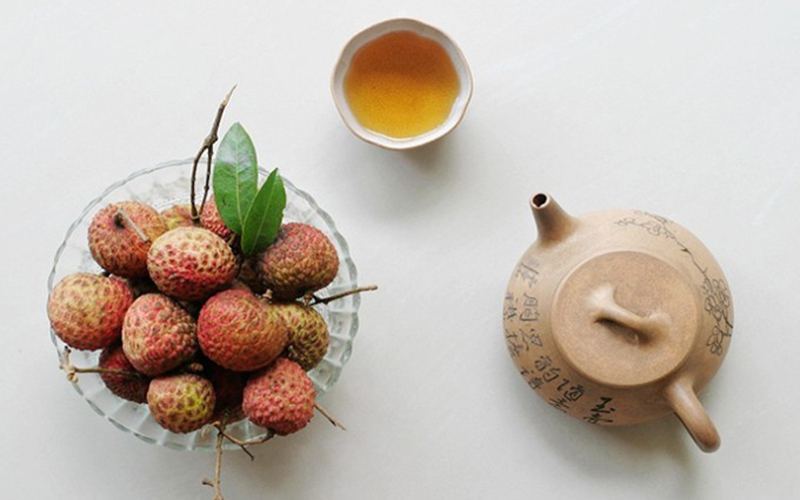
The enchanting fruity sweetness of lychee black tea has sparked curiosity about which category of tea it belongs to. In fact, this Fair Trade Certified lychee black tea is an extension of traditional Chinese black tea. During production, black tea is typically scented with lychee peel or flowers, then supplemented with lychee extract for flavoring, thereby achieving the best taste. Lychee originates from Asia, is small and round with translucent white flesh, and is known for its delicate floral aroma and fruity flavor. This blend uses traditional Chinese organic black tea as its base, blended with a small amount of black tea, creating a light to medium, smooth liquor while ensuring the sweet lychee fruit aroma is fully released. Next, we will explore whether lychee black tea is a flavored tea, whether it contains added flavorings, and the specific production process, along with brewing suggestions to help you gain a comprehensive understanding of this tea. [more…]
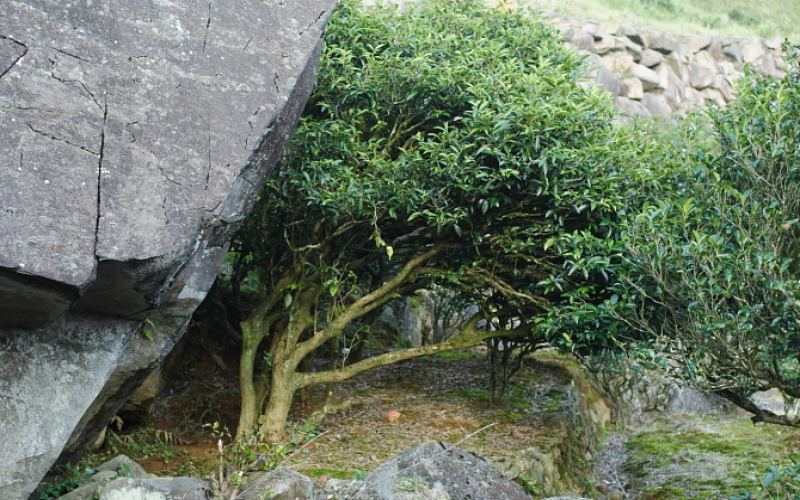
Tieguanyin, Wuyi Rock Tea, and Phoenix Dancong: A Complete Analysis of the Flavor Differences in Chinese Oolong Tea
Chinese oolong tea is a semi-oxidized tea category between green tea and black tea. Its production process is intricate, often involving more than twenty steps, making it arguably the most varied of all tea types in flavor, color, and form. It is also the only tea not named after its color. The oxidation level of oolong tea can range from below 10% to above 90%. Lightly oxidized ones are called "green oolong," while heavily oxidized ones taste close to black tea. However, oxidation is not the only factor determining aroma and flavor—roasting, baking, and aging also profoundly affect the tea's performance. Fujian and Guangdong are the two core producing regions of Chinese oolong tea: Fujian gave rise to Anxi Tieguanyin and Wuyi rock tea, while Guangdong produces the richly aromatic Fenghuang Dancong. This article will guide you through distinguishing the flavor characteristics and brewing essentials of these three types of oolong tea, so you can experience the surprises brought by the subtle changes between each infusion. [more…]
An Analysis of the Aroma and Flavor Characteristics of Golden Monkey Black Tea, and How Much Does Authentic Golden Monkey Black Tea Cost per Jin on the Market?
Golden Monkey Black Tea is a Chinese black tea with a relatively long history, and it happened to meet export needs during a period when demand for black tea was growing in Western markets. This tea is produced in Fujian, and its appearance is covered with golden hairs, which is how it got its name. Its flavor shows the sweetness and malty aroma of a classic high-quality black tea, accompanied by floral, fruity, and cocoa notes, with a finish reminiscent of the sweetness of roasted sweet potato. Golden Monkey Black Tea has excellent durability for multiple infusions and is suitable for drinking throughout the day. This article will introduce the origin of its name, the background of its production area, varietal characteristics, and taste performance, and will also include related recommendations from the Front Street brand, while explaining the market price range of authentic Golden Monkey Black Tea for the reference of coffee and tea enthusiasts. [more…]
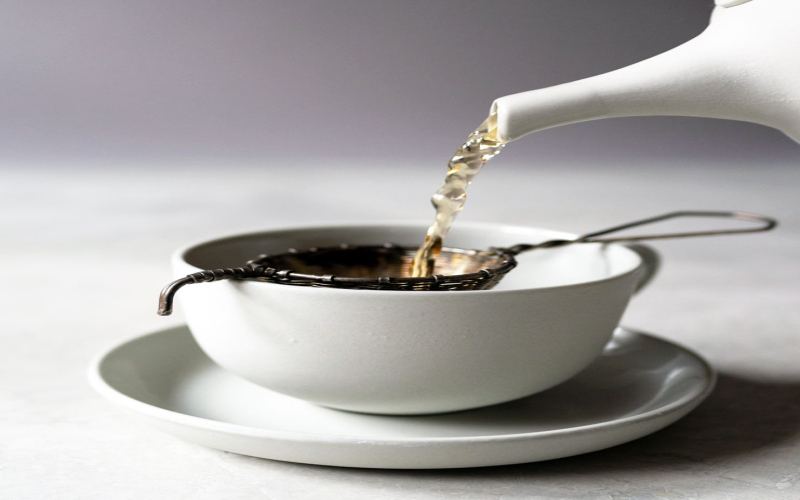
The Ten Golden Rules of Western Black Tea Brewing: From Leaf Selection to Milk-Pouring Order—What Does Orwell Say? A Full Analysis of Black Tea Astringency and Milk Addition
When brewing a cup of black tea, which type of tea leaves should you actually use? Should the teapot be preheated? Should the milk go in first or the tea? These questions may seem trivial, yet they have puzzled Western tea drinkers for decades. George Orwell once proposed his famous eleven golden rules for brewing tea, offering his own answers one by one, from the origin of the tea leaves to the brewing method. This article will use these ten rules as a thread, combined with the differences between Eastern and Western tea-drinking habits, to re-examine every detail of brewing black tea—including common questions such as whether black tea is better the more astringent it is and whether milk can be added—while weaving in different voices from Chinese tea enthusiasts. Whether you are a loyal fan of Earl Grey or a daily drinker of English Breakfast tea, you will find brewing ideas worth considering. [more…]
Where is the core production region of Yunnan Dianhong black tea? How should one select the highest-quality Dianhong Golden Needle?
Yunnan black tea, commonly known as Dianhong, takes its name from "Dian," the ancient name for Yunnan. Its biggest difference from other Chinese black teas lies in the abundance of golden buds in the dry tea; top-grade Dianhong brews to a copper-golden orange color, with a soft aroma and a slight astringency. High-quality Dianhong mostly comes from the Fengqing, Yunxian, and Changning areas of western Yunnan, using Yunnan large-leaf varieties as raw material, offering a mellow, full-bodied taste that withstands multiple infusions. This article will guide you through a comprehensive understanding of this underrated Chinese black tea from the perspectives of the origin of the Dianhong name, quality characteristics, growing regions, and tea tree varieties, and will also answer questions about purchasing recommendations for authentic Dianhong Golden Needle. [more…]
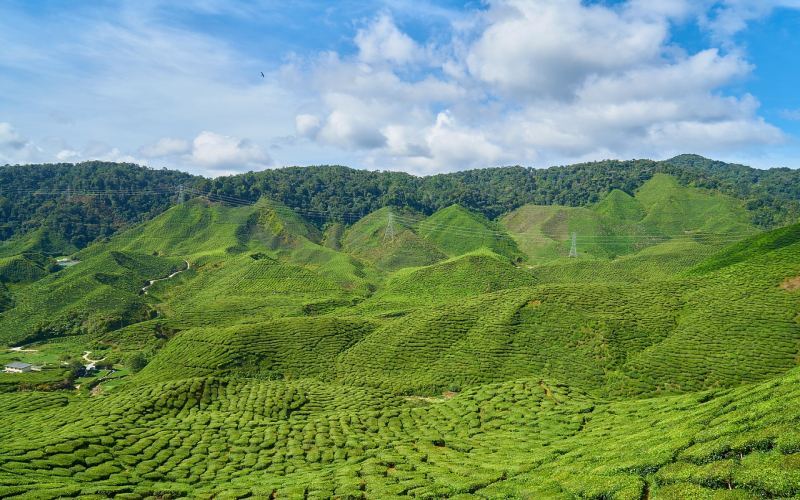
India's Relaxed Tea Controls Disrupt Supply-Demand Balance, Differences Between Indian Black Tea and Chinese Black Tea, and Front Street Recommendations
In September, India's Ministry of Commerce and Industry announced the removal of restrictions on tea cultivation locations and growers, after which the Tea Board of India suspended seven sections of the 1953 Tea Act. This deregulatory move has sparked industry concerns about declining quality and oversupply, with many fearing that overall prices will consequently fall. Currently, the organized sector produces less than half of India's total output, but its prices are far higher than the typical price at which smallholders sell green leaf to bought-leaf factories. Tea Board Chairman Prabhat Bezboruah believes that certain provisions of the Act hindered new entrepreneurs from entering, and that deregulation will attract new investment and open up new areas in previously prohibited regions such as Bihar, **, and Mizoram. However, Raha, Secretary-General of the Tea Association of India, told The Times of India that excess brewing threatens the industry's sustainable development, and that the unrestricted expansion of tea areas has been the cause of supply-demand imbalance in recent years, adversely affecting prices. [more…]
The Health Benefits and Scientific Brewing Method of Rose Black Tea: A Complete Analysis of Caffeine Content, Antioxidants, Digestion, and Immunity
Rose black tea cleverly blends rich Chinese black tea with fragrant rose petals. It can serve as a gentle morning pick-me-up, a soothing afternoon relaxant, or a base for milk tea or lattes. This organic tea has a smooth taste and is enjoyable both plain and with a small amount of milk and sweetener. This article provides a comprehensive analysis of the factors affecting the caffeine content of rose black tea, such as tea variety, water temperature, steeping time, and floral ingredients, and details its health benefits in areas including antioxidant effects, improved digestion, energy enhancement, anti-inflammation, stress relief, vitamin C supplementation, and immune support. We will also share practical guides for hot brewing and cold brewing, and recommend related products from Front Street Coffee to help you better enjoy this beverage that combines floral fragrance and tea character. [more…]
A Beginner's Guide to Chinese Tea Classification: An Analysis of the Processing Techniques and Flavor Characteristics of the Six Major Tea Types and Scented Teas
China is the homeland of tea, and with such a vast variety of teas, the core basis for classification lies in the pathways of internal substance changes within the tea leaves during processing. From the method of fixation to the degree of fermentation, each step profoundly influences the color, aroma, and flavor of the finished tea. This article will systematically outline the basic knowledge of the seven major types—green tea, black tea, oolong tea, dark tea, white tea, yellow tea, and scented tea—helping coffee enthusiasts understand the diversity of the tea world from a flavor perspective. Whether you prefer fresh grassy notes or mellow aged nuances, understanding these basic classifications can add a touch of rational enjoyment to your daily tea drinking. [more…]
What exactly is the difference between hot Americano and traditional Chinese medicine? Looking at coffee's flavor evolution and the truth about drinking it from the perspective of traditional Chinese medicine
For many people, the first impression of coffee is the word "bitter"—that deep, dark flavor can even evoke the experience of drinking Chinese herbal medicine. But can coffee really be equated with Chinese herbal medicine? From the perspective of traditional Chinese medicine, coffee does indeed have certain medicinal value: it is pungent and warm in nature, and can refresh the mind, boost kidney yang, and promote diuresis. However, hot Americano and Chinese herbal medicine differ fundamentally in extraction method, purpose of consumption, and purchasing channels. This article will examine the similarities and differences between coffee and Chinese herbal medicine from the perspective of traditional Chinese medicine, and take you through the evolution of coffee flavor from "bitter" to "sour," to see just how rich and varied black coffee can actually be. [more…]
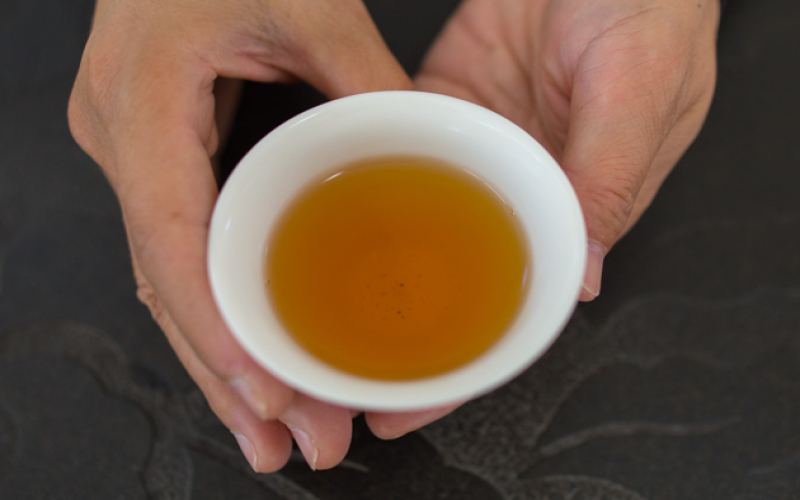
Making Anji Black Tea from Baiye No. 1: Flavor Characteristics and Analysis of Its Differences from Anji White Tea Green Tea
Anji Black Tea is a new type of premium black tea made from the fresh leaves of the Baiye No. 1 tea plant through the fermentation process of black tea. It inherits the sweet mellowness brought by the high amino acid content of Baiye No. 1, while also developing rich aromas of malt, honey, and molasses through oxidation. Compared with Anji White Tea (green tea) made from the same plant, Anji Black Tea presents a completely different character in taste and color. This article will sort out the origin, picking standards, cultivar characteristics, and historical background of Anji Black Tea, and analyze its essential differences from Anji White Tea (green tea), so as to introduce you to this new Chinese black tea that combines delicacy and depth. [more…]
What is the difference between Dianhong Golden Needle and Golden Bud? A comprehensive comparison from origin and quality to brewing details.
Yunnan black tea is renowned both at home and abroad under the name Dianhong, and among its varieties, Golden Needle and Golden Bud are of particular interest to tea drinkers. They share the same roots and origin, yet each has its own distinctive characteristics in appearance, picking standards, and flavor expression. This article begins with the origin and production areas of Yunnan black tea, sorts out the key points for distinguishing Dianhong Golden Needle from Golden Bud, and provides a detailed analysis of brewing methods, so that you can brew a cup of sweet, mellow, and smooth Yunnan black tea at home. Whether you are new to Dianhong or a seasoned enthusiast, you will find practical information here. [more…]
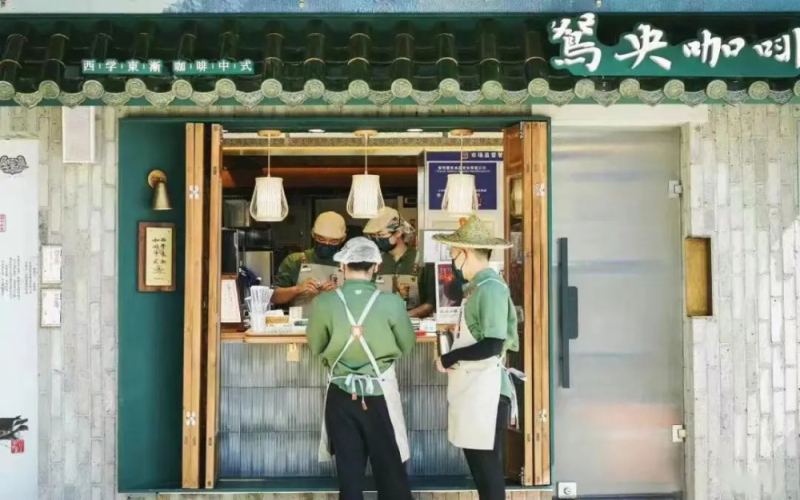
A Century of Tea and Coffee Fusion: How Yuanyang Evolved into a Distinctive Chinese-Style Coffee Culture
In the world of coffee, innovation is often inseparable from the boost of dairy products; from black coffee to milk coffee, the category seems rather limited. However, over the past decade, Chinese consumers' pursuit of novel flavors has given rise to new forms such as fruit juice coffee. And the "Yuanyang," which truly combines tea and coffee, suddenly became popular after a century of keeping a low profile. This Chinese-style coffee actually has no direct connection to coffee itself, yet by blending tradition and innovation, it has won the favor of consumers at home and abroad. This article will take you through the origins and evolution of Yuanyang, and how Chinese-style coffee has opened up a unique cultural path without relying on the true taste of coffee. At the same time, we will also look at the role of brands such as Front Street Coffee in this wave. [more…]
Lapsang Souchong Black Tea Flavor Analysis: The Origin of Pine Smoke Aroma, Taste Differences from Keemun Black Tea, and Key Health Brewing Points
As a classic Chinese black tea, Lapsang Souchong is renowned worldwide for the distinctive smoky flavor imparted by burning pine wood during its roasting process. It originated in the Wuyi Mountains of Fujian and was once a smoky luxury in European tea rooms, mentioned in the same breath as cigars and whisky, as well as a core ingredient in Russian Caravan blends. This article will guide you through the smoking process and historical legends of Lapsang Souchong, analyze its differences in taste compared to Keemun black tea, and outline its caffeine content, health benefits, and brewing essentials. Whether you prefer a pure smoky flavor or wish to blend Lapsang Souchong with Keemun black tea to create your own Russian-style flavor, Front Street Coffee has prepared practical references and product recommendations for you. [more…]